Creative รับจัดเบรค Selections Bring Variety To Every Break
Thoughtfully prepared snack boxes can make organized events more enjoyable by giving guests convenient access to appealing treats. Personalized selections add a thoughtful touch while creating a comfortable dining experience that suits different preferences. With attractive presentation and carefully chosen options, snack boxes can contribute to a welcoming and memorable occasion.
Creating A Thoughtful Guest Experience
Personalized snack boxes show attention to the needs and preferences of attendees. Each box can be arranged with a balanced combination of flavorful snacks, making guests feel appreciated while adding convenience throughout the event.
- Offers carefully selected snack combinations
- Creates a welcoming impression for guests
- Makes refreshments convenient to enjoy
- Adds a thoughtful element to event planning
- Supports a comfortable dining experience
Offering Variety For Different Preferences
A well-planned snack box can include a selection of sweet, savory, crunchy, and refreshing choices. Providing variety allows guests to discover enjoyable flavors while making the overall refreshment experience more interesting and satisfying.
- Includes different textures and flavors
- Provides choices for varied preferences
- Makes snack selection more enjoyable
- Encourages guests to explore new combinations
- Adds visual appeal through diverse food selections
Attractive Presentation Adds Appeal
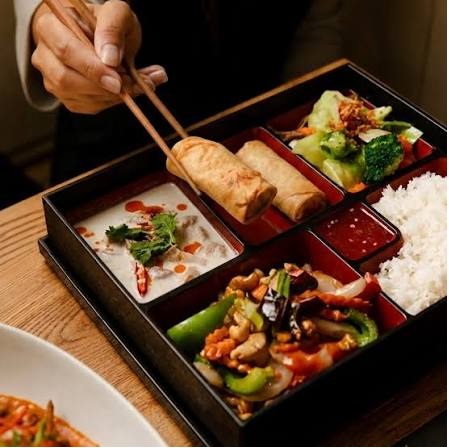
Presentation plays an important role in making food experiences memorable. Neatly arranged snack boxes can create an inviting appearance, while organized portions make every selection easy to identify and enjoy. This combination of style and convenience enhances the overall event atmosphere.
- Creates an appealing first impression
- Keeps individual portions neatly arranged
- Makes snacks easy to access
- Adds elegance to refreshment service
- Supports a clean and organized dining experience
Convenient Refreshments For Guests
Snack boxes provide a practical way to serve refreshments during busy schedules and varied event activities. Guests can enjoy their selections comfortably without interrupting conversations or other experiences, making the format both flexible and convenient.
- Allows guests to enjoy snacks at their convenience
- Supports flexible refreshment timing
- Makes individual servings simple to manage
- Helps maintain an organized food arrangement
- Provides easy access throughout the event
Supporting Memorable Event Experiences
Personalized refreshments can become a positive part of an event by combining flavor, convenience, and thoughtful presentation. When guests receive selections suited to the occasion, they can enjoy a more engaging food experience that complements the event’s overall atmosphere.
- Adds a personal touch to refreshments
- Encourages positive guest interactions
- Creates enjoyable food-related moments
- Complements different event themes
- Helps make gatherings feel thoughtfully planned
Enhancing Satisfaction Through Personalization
Personalized snack boxes can make every guest feel considered while providing flavorful choices in a convenient format. Professional รับจัดอาหารว่าง services can help create appealing snack selections that bring together presentation, variety, and guest-friendly convenience.
- Supports customized snack arrangements
- Provides enjoyable choices for attendees
- Combines convenience with attractive presentation
- Creates a polished refreshment experience
Helps guests leave with positive impressions